

Q. What is NAC?
Q. What does glutathione do?
Q. Why not just take glutathione?
Q. Why is Effervescent NAC so much better?
Q. Are there any side effects?
Q. Is NAC for everyone?
Q. How fast does it work?
Q. What happens if I stop taking it?
Q. If it's so good for your immune system, will it help with HIV?
Q. Is the dosage the same for everyone?
Q. Is there anything I need to do while using NAC?
Q. Is NAC good for smokers?
NAC and ALS
NAC and Flu
Lethal Drugs
In Every Home
Benefits
The Research
Dosage
Order
What You Don't
Know About NAC
Our Story
Who Shouldn't Take NAC
FAQ
Site Map

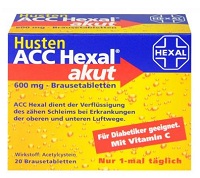
A. N-acetyl cysteine is a derivative form of the amino acid cysteine, a mucolytic (breaks up mucus) and precursor to glutathione, an antioxidant crucially important to the immune system, as well as a free radical scavenger. [Top]
A. Glutathione deficiency has been found in a majority of diseases, since oxidation is a factor in most illness. Glutathione is like antioxidant 'rustoleum' for your body, preventing the building of free radicals that can eat away at you and cause cancer. [Top]
Q. Why not just take glutathione?A. Because orally administered glutathione largely breaks down in the digestive tract, and what doesn't break down is difficult to assimilate. [Top]
Q. Why is Effervescent NAC so much better?
A. Because in the presence of air, active NAC starts to degrade and destabilize, becoming less active, and less effective. The longer the exposure, the weaker it gets. Capsules and tablets are exposed to air during processing, packaging, and sitting on a shelf in the bottle itself. Effervescent NAC has been processed in a strict, limited air environment, and has individually sealed wafers that are still fully active when you make the tasty, fizzy little drink. [Top]
Q. Are there any side effects?
A. Up to 2400 mg per day has been used in clinical studies with no adverse or toxic side effects. There are some studies available that used a much higher dose without toxic side effects. [Top]
A. Nearly anyone can benefit from NAC, however there are a few contraindications, such as people who form cystine renal stones. They should take extra Vitamin C with NAC. People taking nitroglycerin may experience severe headache, as NAC tends to enhance some drugs. Refer to our page Who Shouldn't Take NAC to learn more. [Top]
A. That depends on how much you're asking it to do. If you just noticed a little tickle in your throat and don't want to go through having a cold, it can turn you around in 3-12 hours. If you have COPD with mucus and a weak immune system, it could take up to 60 days to really make headway, and although your glutathione levels increase 90 minutes after consumption, you wouldn't really "feel" that. [Top]
Q. What happens if I stop taking it?
A. You will eventually lose the benefits you built up, but there's no other detriment. [Top]
Q. If it's so good for your immune system, will it help with HIV?
A. Absolutely! It's becoming a mainstay of immunoreconstitution therapy. [Top]
Q. Is the dosage the same for everyone?
A. Mostly, since there are no reports of toxicity. However petite people,
(around 120 lbs.) may want to start off with a half dose, which would be 600 mg. per day, and see if that's enough. Economy and efficiency would be the only reason to try less. People with pulmonary fibrosis and ALS have been advised to take 3 or 4 600 mg. doses daily by their doctors.[Top]Q. Is there anything I need to do while using NAC?
A. Yes. Since NAC requires more Vit. C, selenium and zinc, you should be taking a good multivitamin/mineral supplement with Vit. C <1-2gr>, selenium <55-400mcg.> and zinc <4-40mg.> when using NAC. The reason for this is Vitamin C helps keep the glutathione in a reduced state longer, which in effect, makes the benefit last longer. If you have heavy metal toxins accumulated, your body has sent selenium and zinc to bind to these toxins in an effort to somewhat shield you from them. When the NAC removes those metals, the selenium and zinc go too. Zinc is found in all meats, and selenium in nuts, especially Brazil nuts. It's also a good idea to drink 6-8 glasses of good water, since NAC pulls the toxins out, you need to wash them away.[Top]
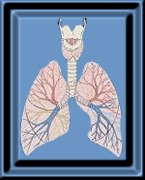
A. Without question! It breaks up the congestion and mucus in the lungs, removes the heavy metal cadmium, which you get from cigarettes, and scavenges the free radicals that can lead to cancer. NAC has been shown to inhibit the progression of cancer and shrink lung tumors. See the research and benefits pages. [Top]
|
|

[Acetaminophen Poisoning] [Contact] [Our Story] [Order] [Shipping Info]
[Refund and Return Policy] [What You Don't Know About NAC]
[Site Map] [Privacy Policy] [FAQ]
We present you with public information for your own education about your options, which is not intended as a substitute for professional medical advice, diagnosis, or treatment. Always seek professional medical advice from your physician or other qualified healthcare provider with any questions you may have regarding a medical condition.